Section
Guides
Foundational guides & reference
40
Posts
Latest stories in Guides

High-Efficiency Milling & Trochoidal Toolpaths: When They Pay
High-efficiency milling (HEM) and trochoidal toolpaths explained — the chip-thinning mechanism behind them, how HEM differs from high-speed machining, which toolpaths do what, and the honest test of when they pay versus when conventional roughing is still right.
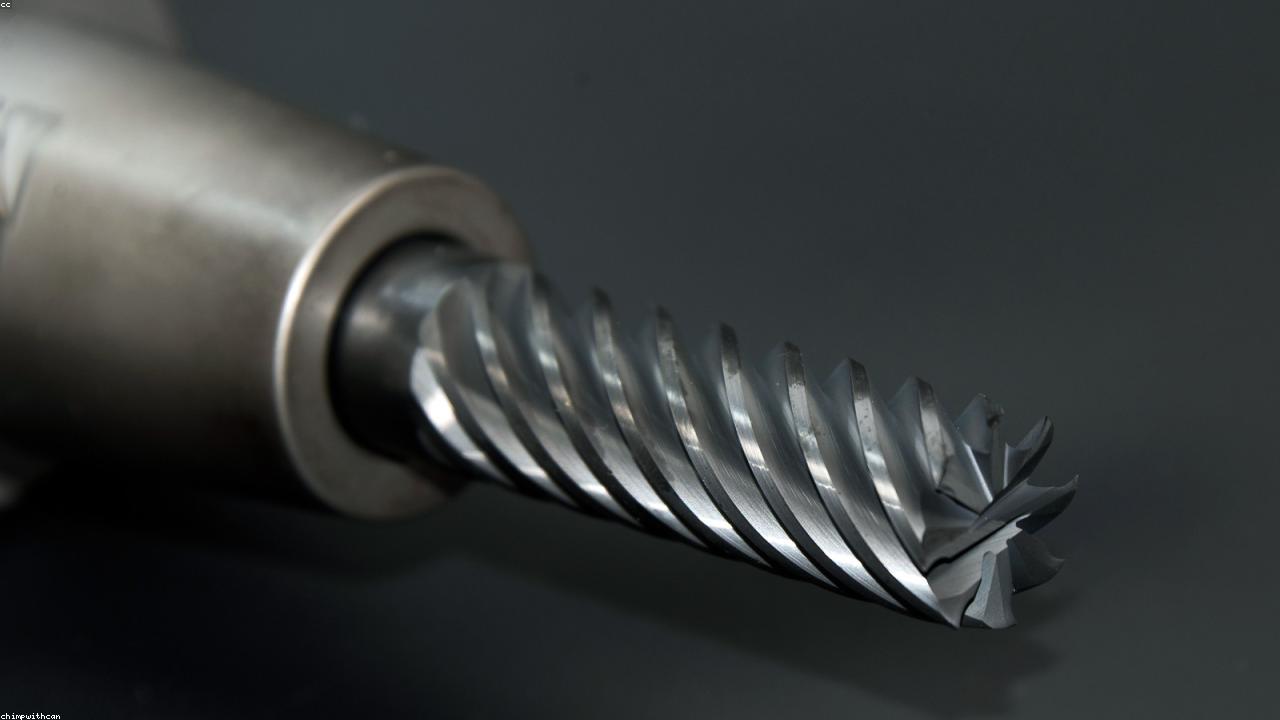
CNC Machining for Mold & Die: What's Different
Mold and die machining explained — why cutting a mold is unlike ordinary production machining: a custom one-off tool with freeform cavities in hard steel, the material-and-heat-treat logic, the milling-plus-EDM process chain, and the finish and precision a mold must carry.
Oil & Gas Machining: Big Parts, Heavy Alloys
Oil and gas machining explained — the parts that contain pressure and go downhole: forging-scale workpieces in corrosion-resistant alloys chosen because the environment is hostile, sealing surfaces finished to the micron class, and the serialised traceability of a quality system built around pressure integrity.
CNC Probing & In-Process Inspection: How On-Machine Probes Work and When They Pay
CNC probing and on-machine inspection explained — the workpiece probe and the tool setter, why a touch probe is only as good as its calibration, what on-machine measurement can and cannot verify, how probing and the CMM divide the work, and the honest test of when probing pays.
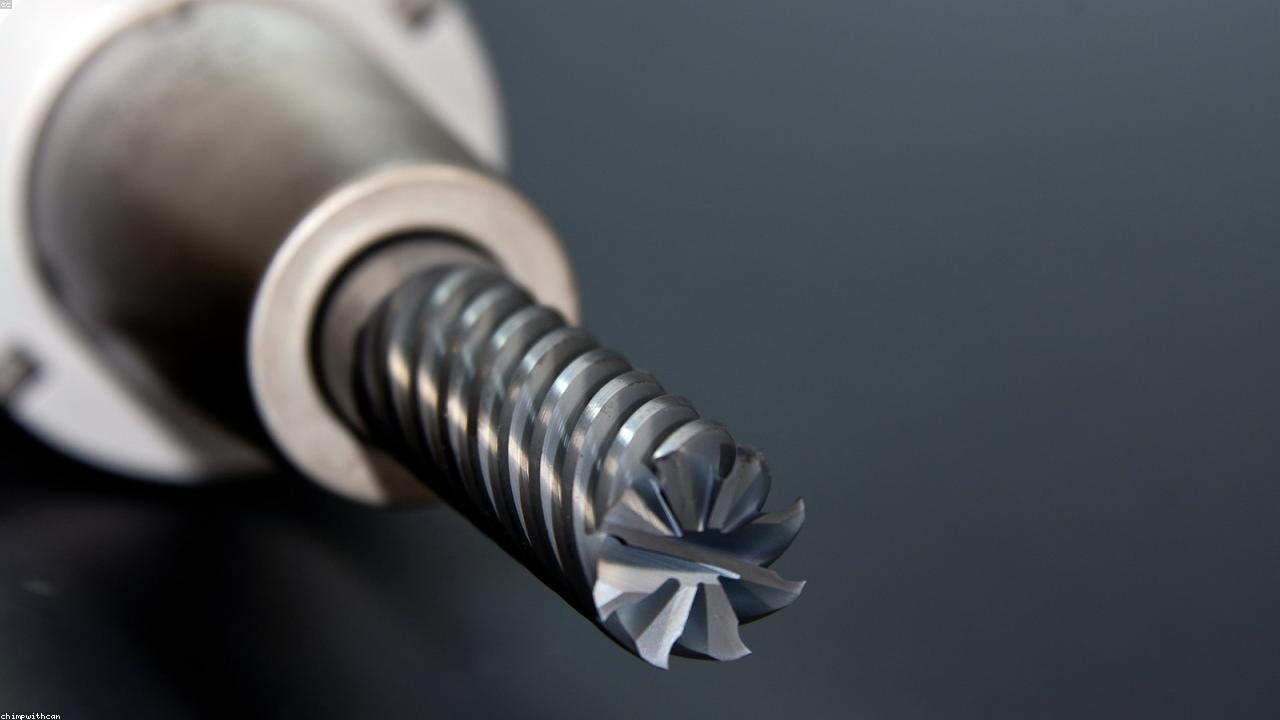
Postprocessors Explained: Why the Same Program Cuts Differently
What a CAM postprocessor is and why it decides whether a program cuts right — the translator between machine-independent CAM and machine-specific G-code dialects, why the same toolpath behaves differently on different machines, and how to own the post as a shop asset.
How to Read a CNC Machine Spec Sheet: Every Number Explained
How to read a CNC machine specification sheet — what each row actually measures, how the number is taken, and where marketing creeps in: travels, spindle power and torque curves, accuracy vs repeatability, rapids, structure and the buried specs.
Retrofit or Buy New CNC: A Decision Framework
Retrofit or buy new? A decision framework for machine tools — why the machine's structure, not its age, decides the answer, the difference between a retrofit and a rebuild, and when a modern control can't save an old machine.
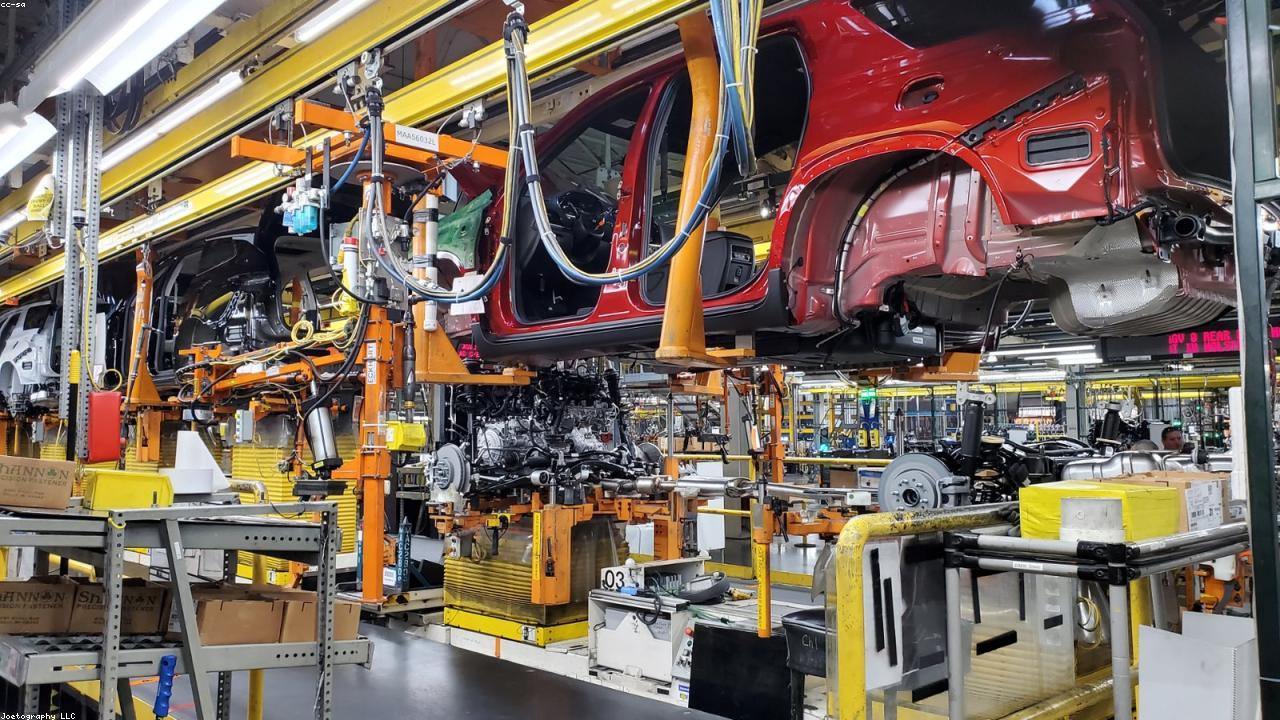
CNC Shop-Floor Troubleshooting: A Field Manual
A field manual for diagnosing machining problems on the shop floor — why the first instinct is usually wrong, how to isolate the real variable from program to material to tool to machine to environment, and how to read the evidence before you change anything.
Simulation & Program Verification Before the Cut
Simulating and verifying CNC programs before they reach the machine — the three levels of verification from backplot to full machine simulation, why you must verify the posted G-code and not just the CAM toolpath, and the on-machine prove-out that even perfect simulation cannot replace.
CNC Speeds and Feeds: What They Are and How to Calculate Them
CNC speeds and feeds explained from zero — cutting speed vs spindle speed vs feed rate, why SFM stays constant while RPM changes, chip load as the real feed control, and full worked calculations in both imperial and metric.
Surface Finish and Machining Tolerances: How to Specify and Measure Them
How to specify and measure surface finish and machining tolerances — what Ra, Rz and the other roughness numbers mean, how roughness and tolerances interact, what each process can realistically achieve, and how to write a drawing the shop can actually hit.
Thermal Growth and Machine Accuracy: The Error Source Nobody Sees
Thermal deformation explained — why heat is often the largest source of error in a CNC machine, where it comes from, how spindle and ballscrew growth drift parts off tolerance, and the machine-side and process-side strategies that stop it.
No posts match this tag on this page.